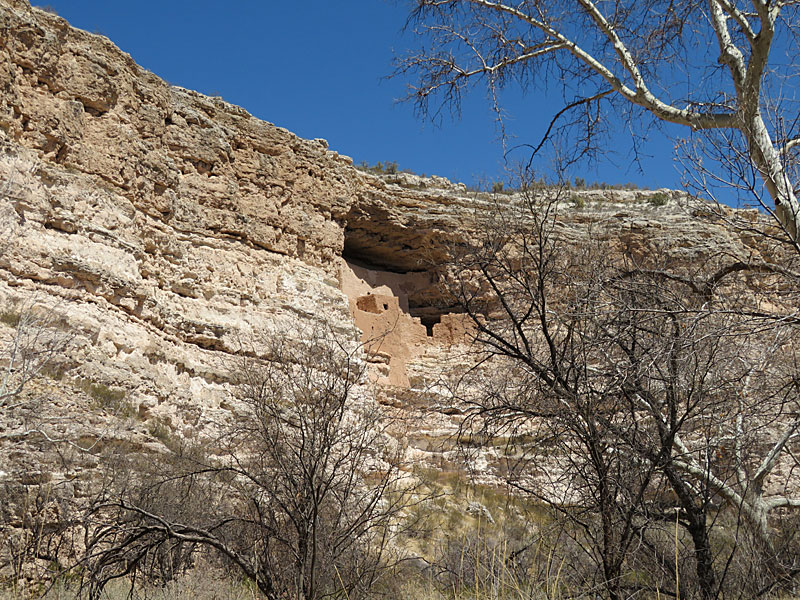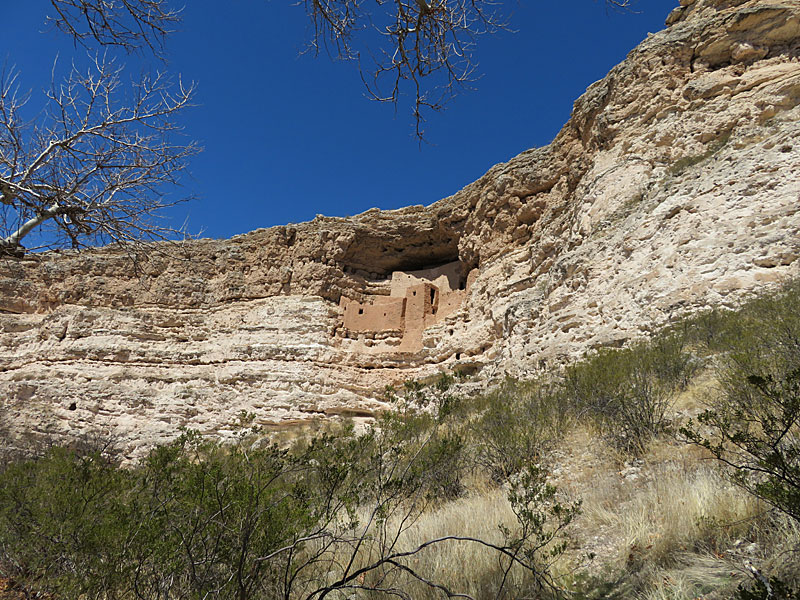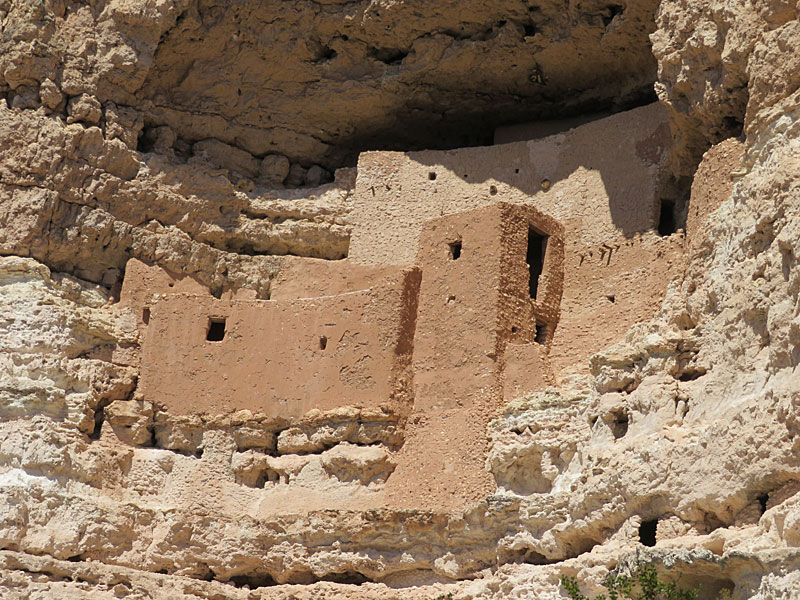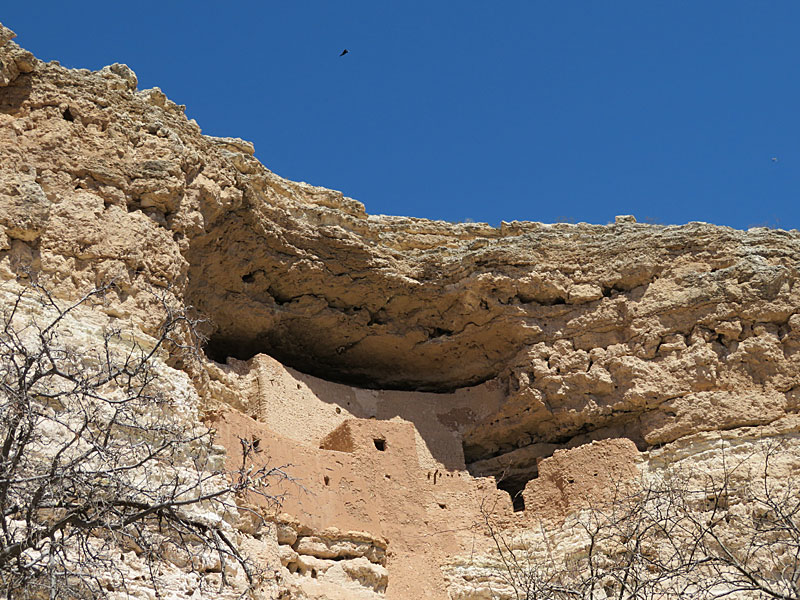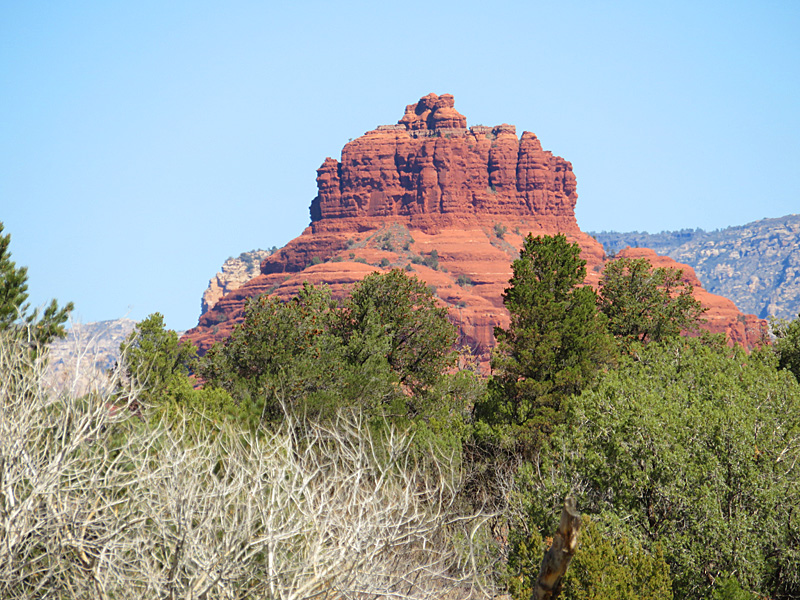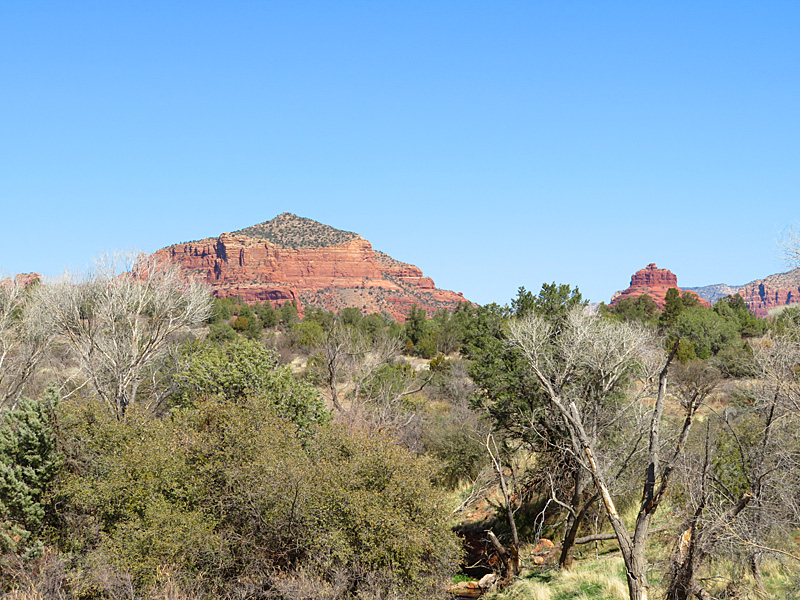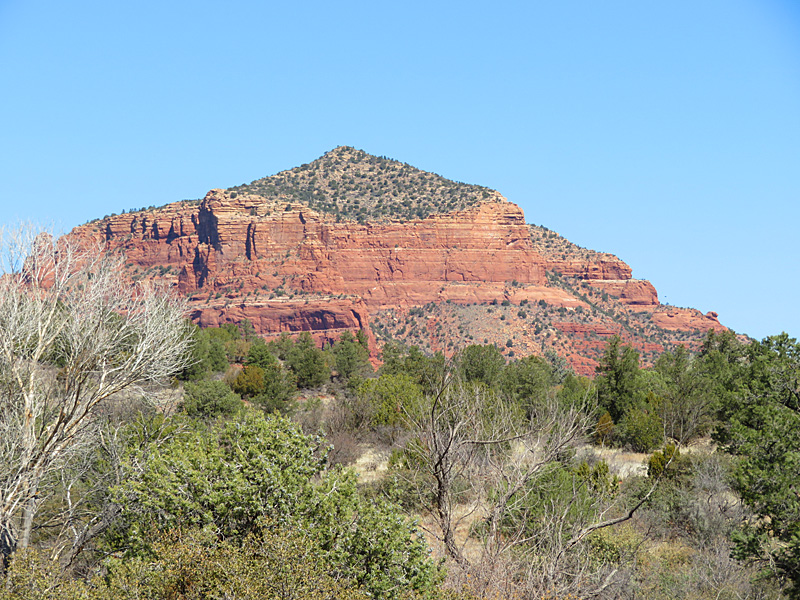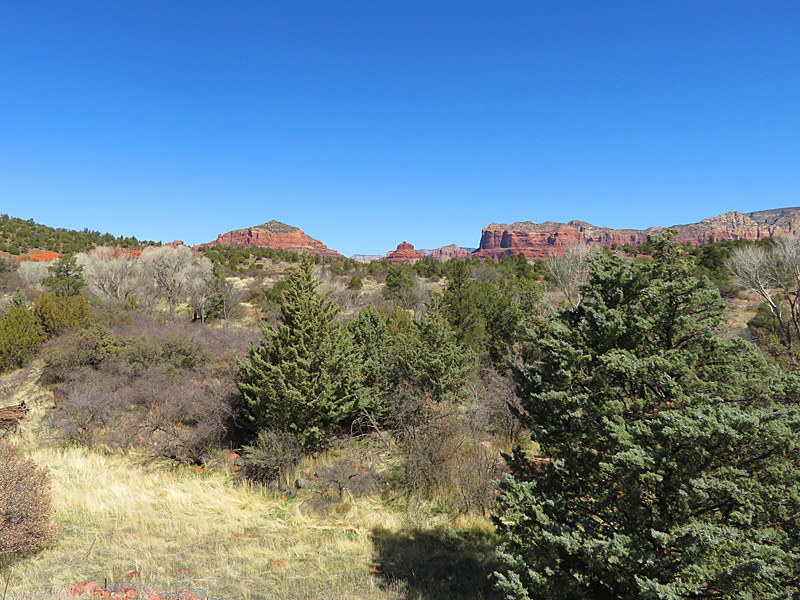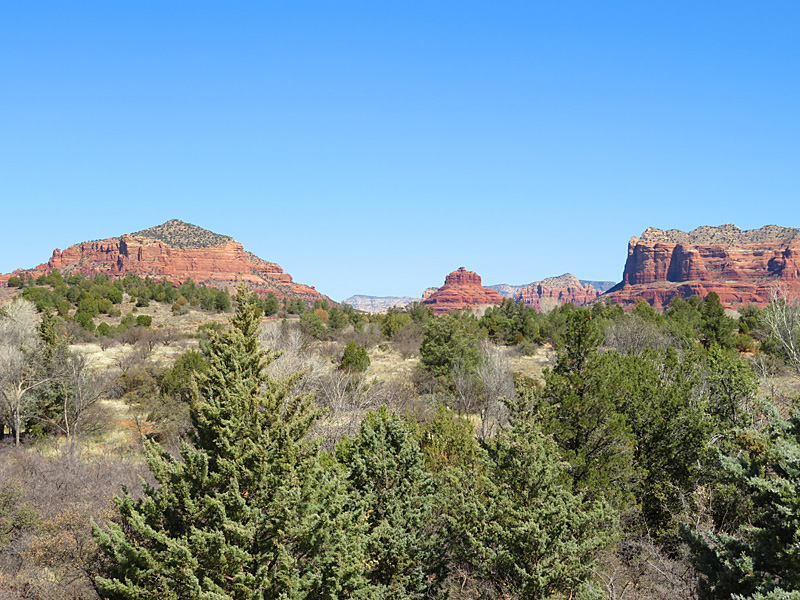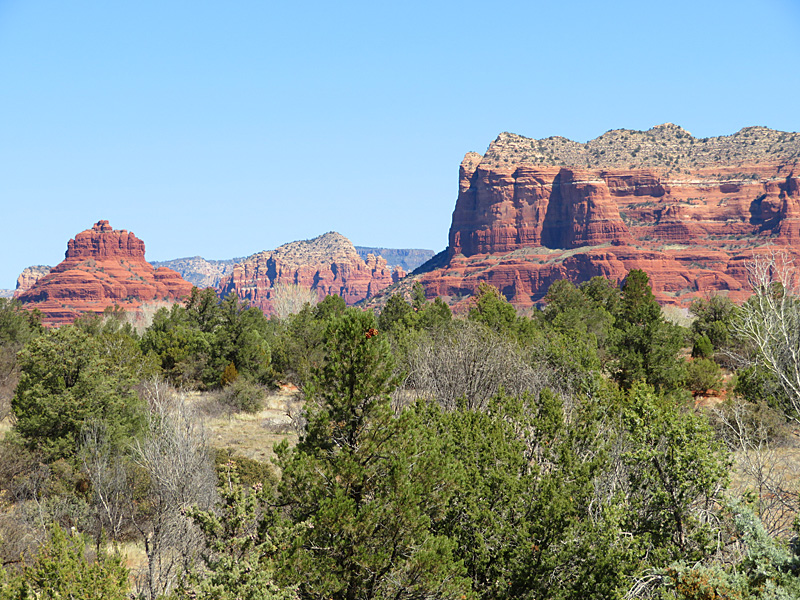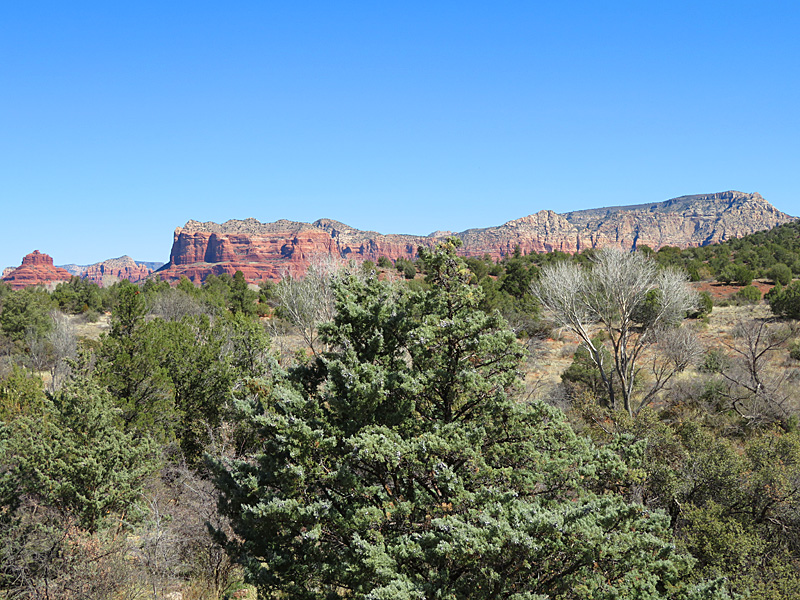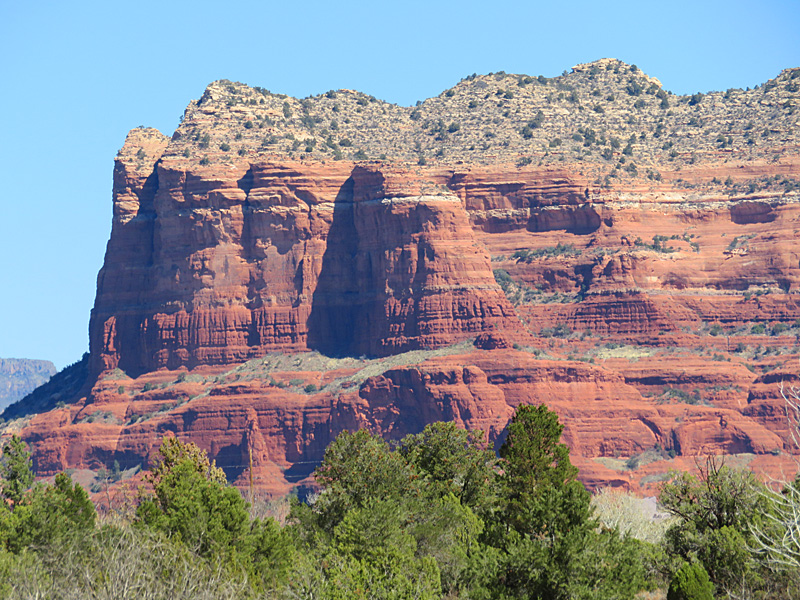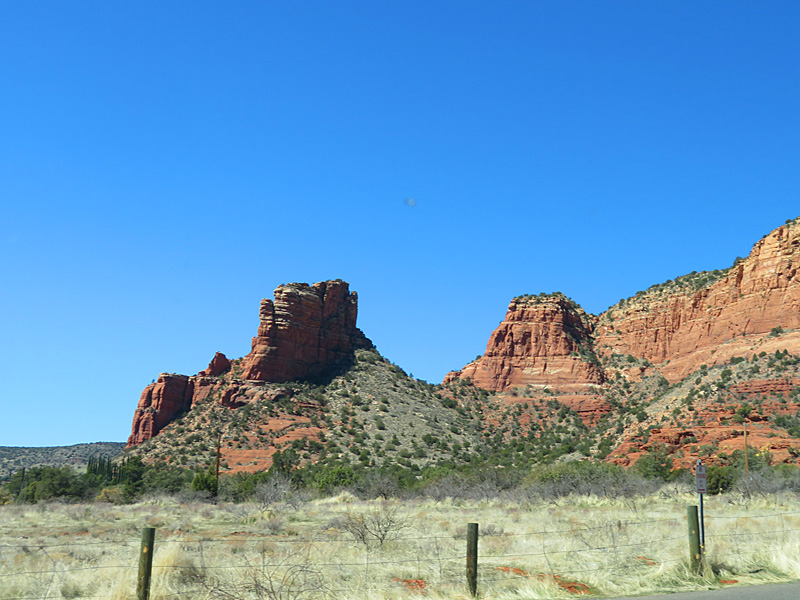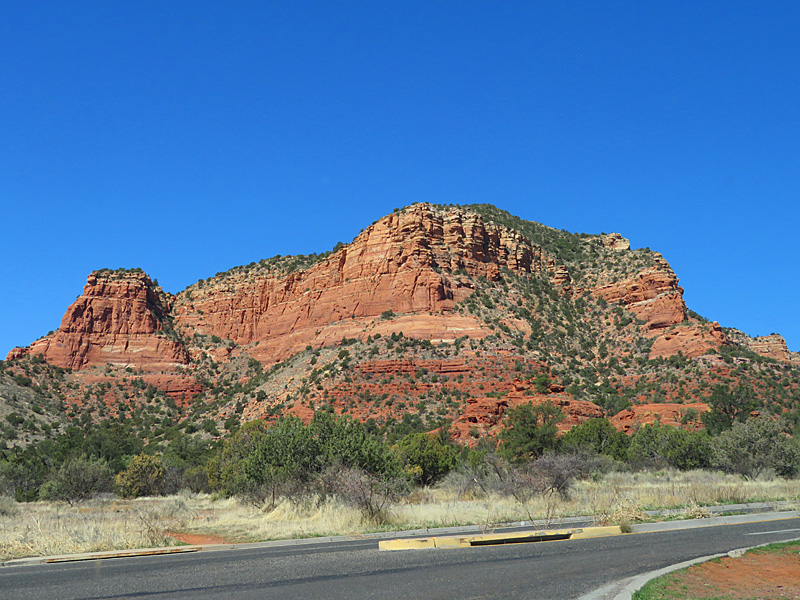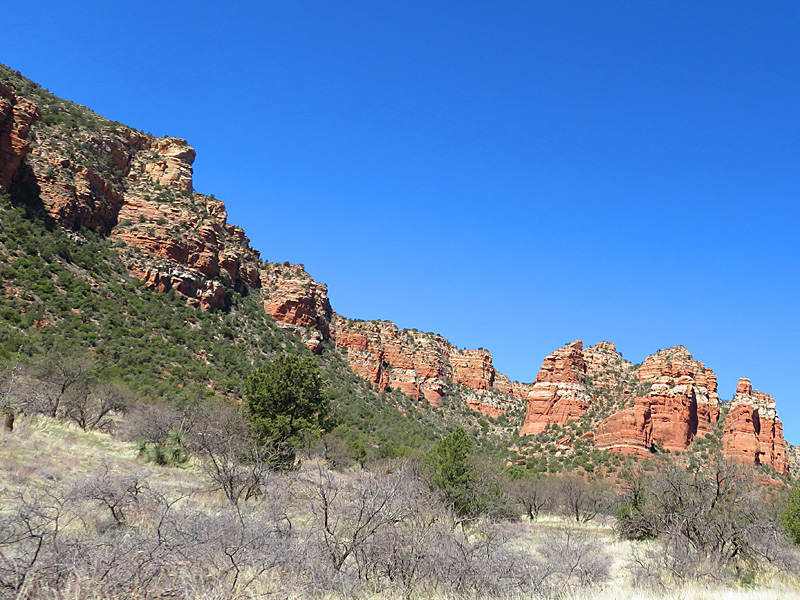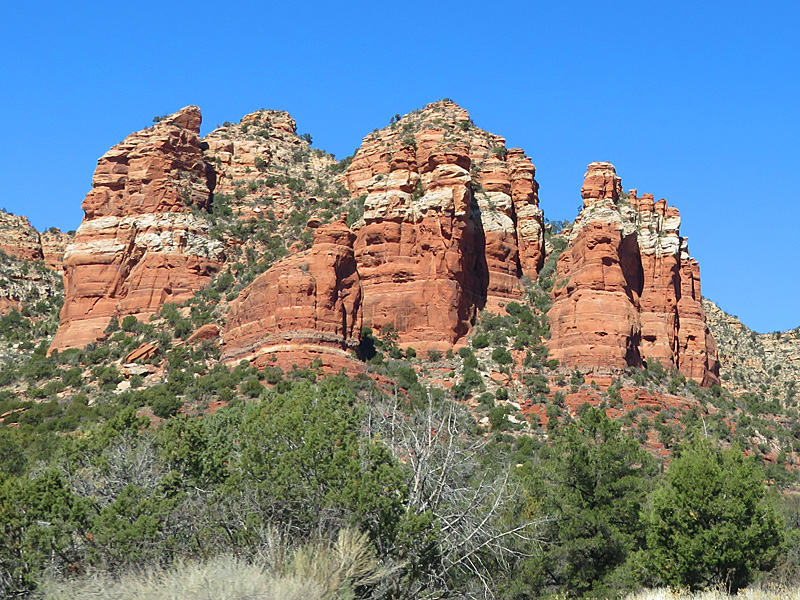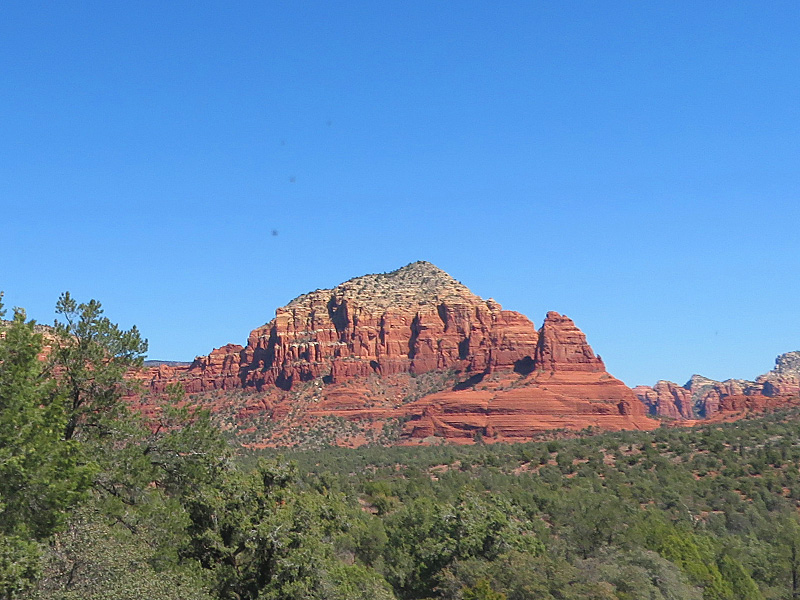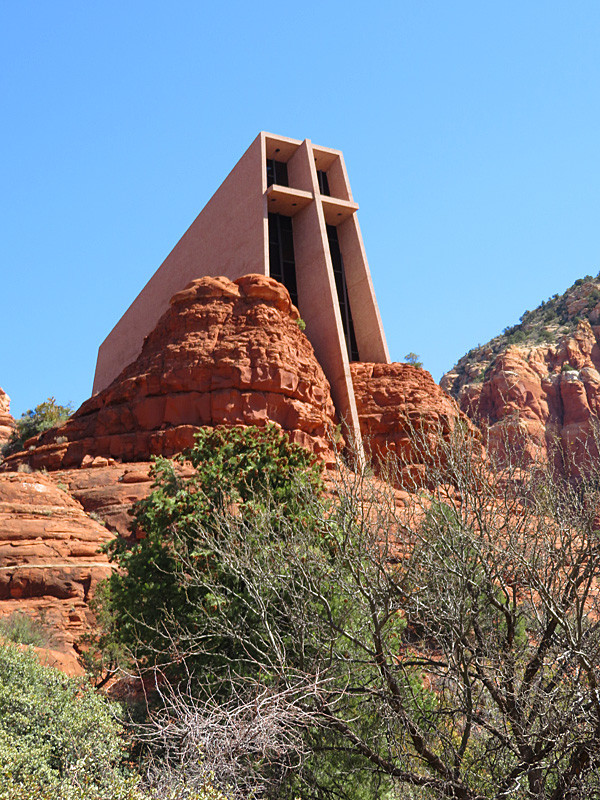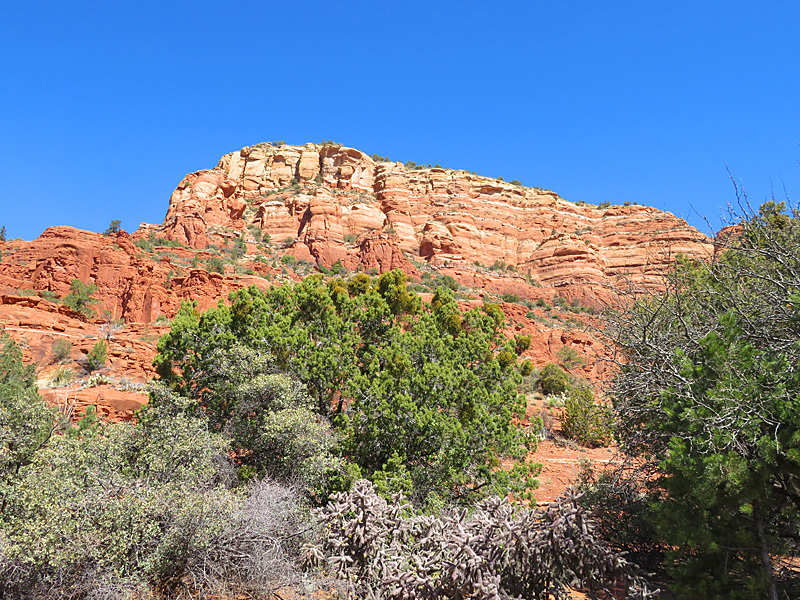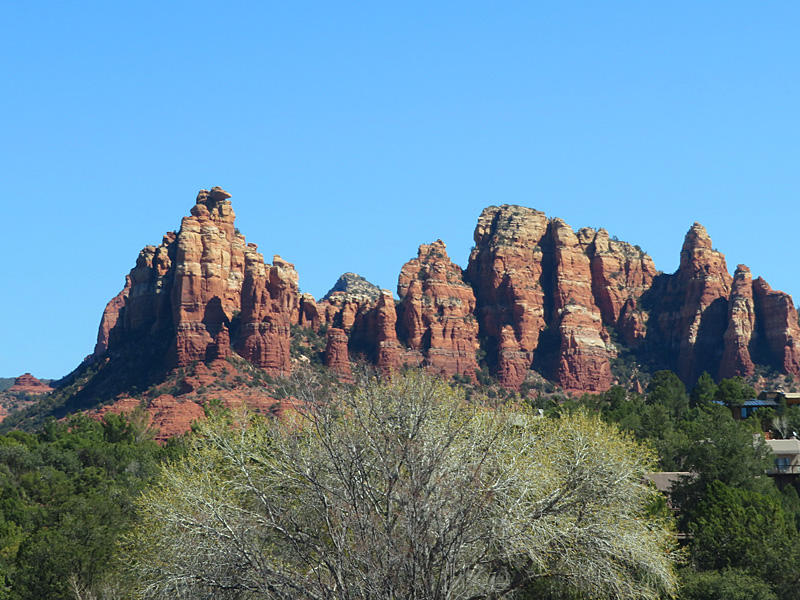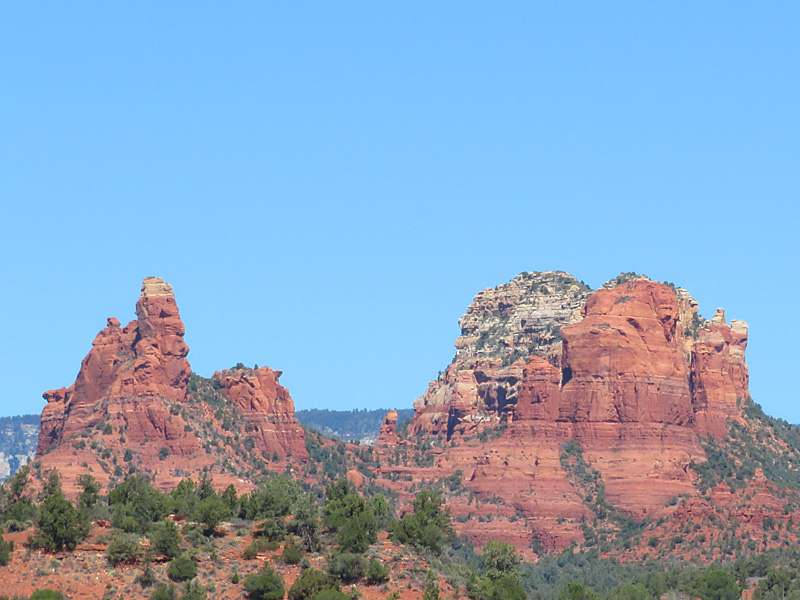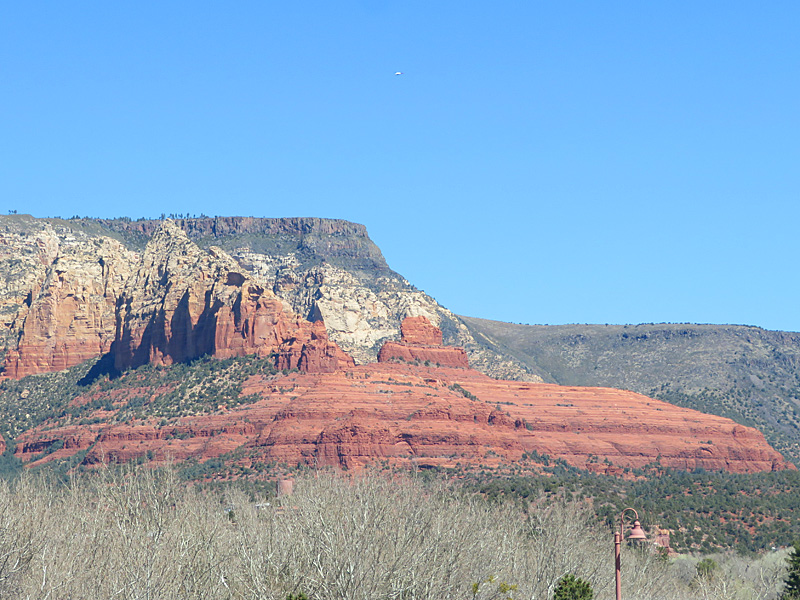
Bell Rock is one of the best known locations near Sedona. Iron gives the red color to the famous rocky terrain of the area around Sedona, Arizona. – photo by Joe AlexanderThe Sedona area is at the southern slope of the Colorado Plateau. About 80 miles north, the Grand Canyon cuts its way through the plateau.
This area used to be under a shallow sea. The red color in the rocks comes from iron mixed in with the limestone and sandstone.
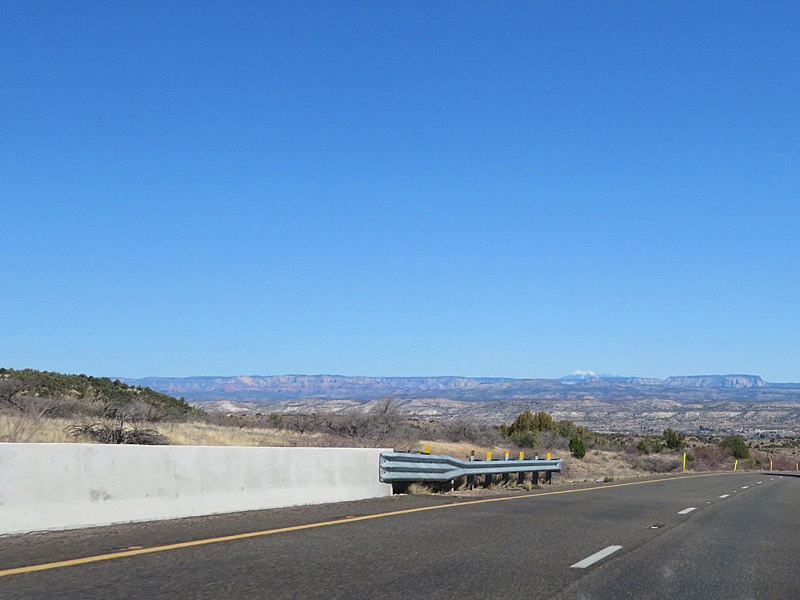
It is supposed to be about a two-hour drive from Phoenix to Sedona. It took me more like three, but I stopped a few times along the way.
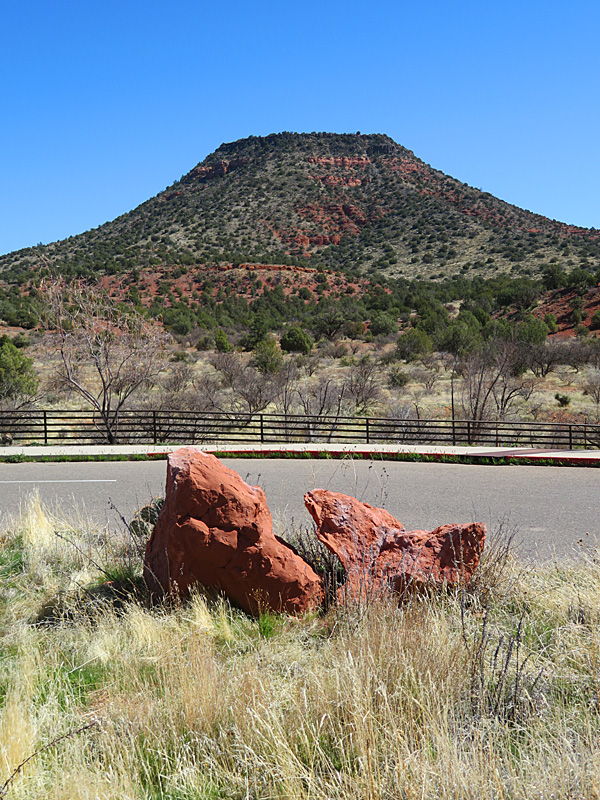
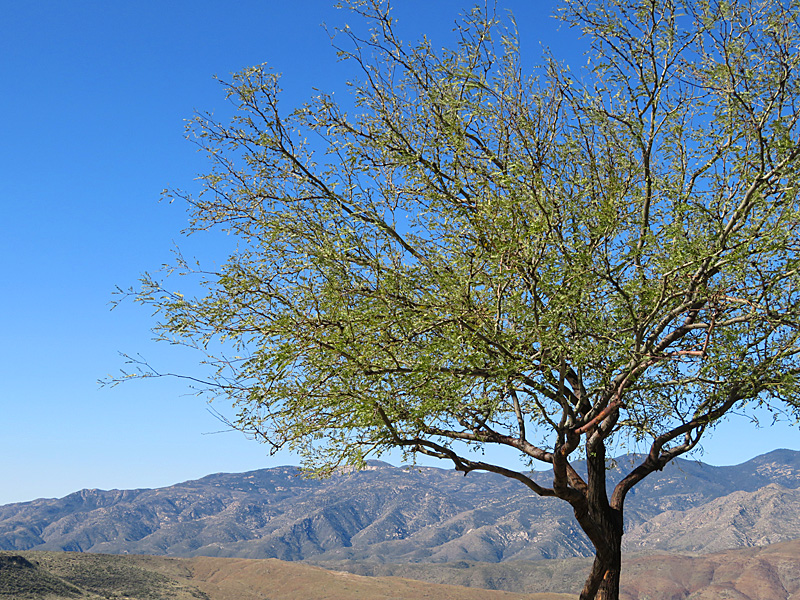
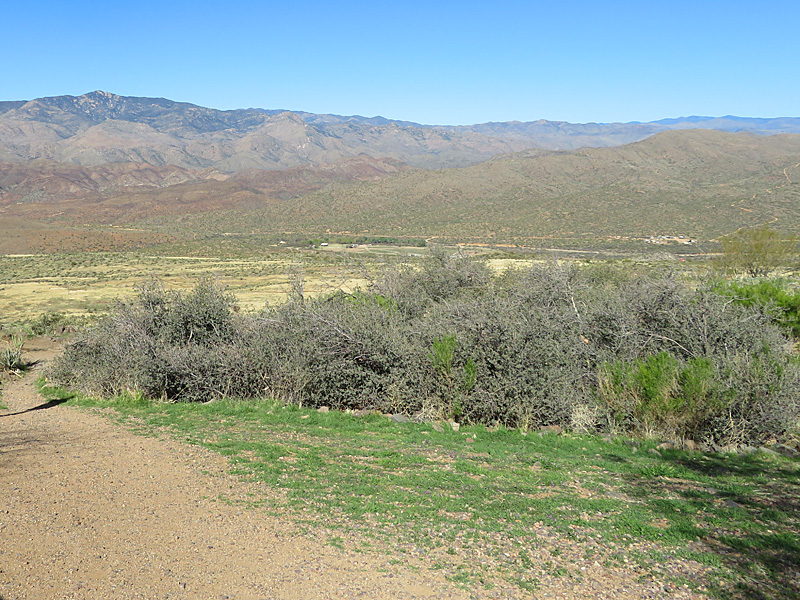
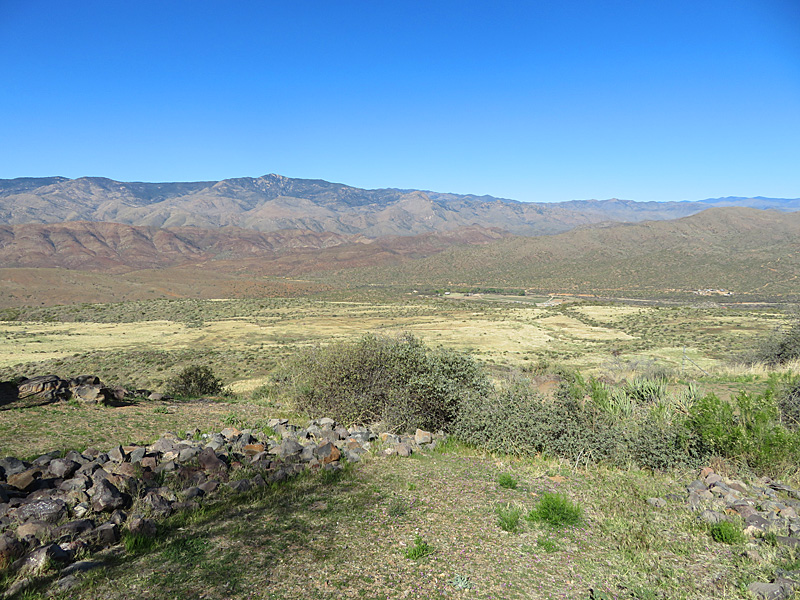
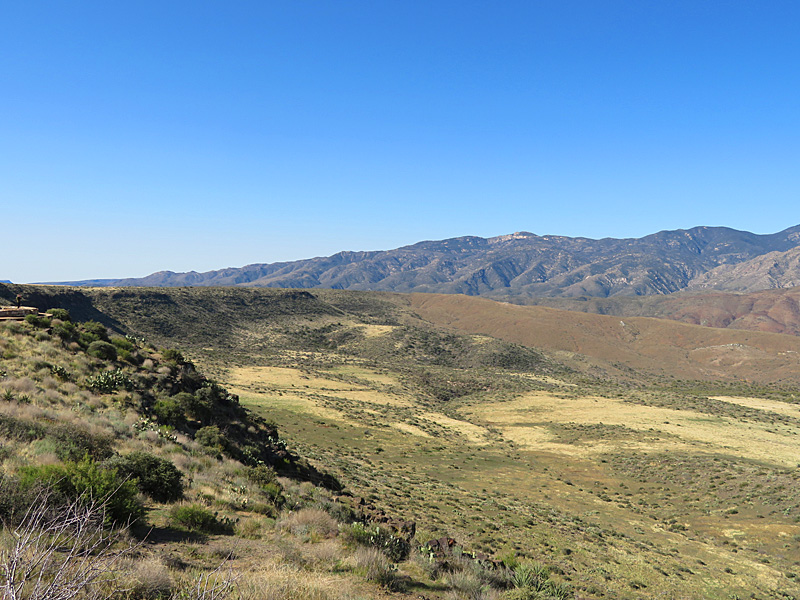
Central Arizona between Phoenix and Flagstaff. – photo by Joe AlexanderArizona doesn’t generally get a lot of rain, so you don’t have the towering trees or the amount of greenery that you see in some parts of the country.
As you drive north from Phoenix, you also go up in elevation. You leave behind the saguaros and see more trees and, eventually, the red rocks of the area around Sedona.
Along the way, you pass by the Prescott National Forest to the west.
Here is a description from the United States Forest Service:
“At the lowest elevation, the primary vegetation is of the Sonoran Desert type. As the elevation rises, chaparral becomes common, followed by piñon pine and juniper. Above that, Ponderosa pine dominates the landscape.”
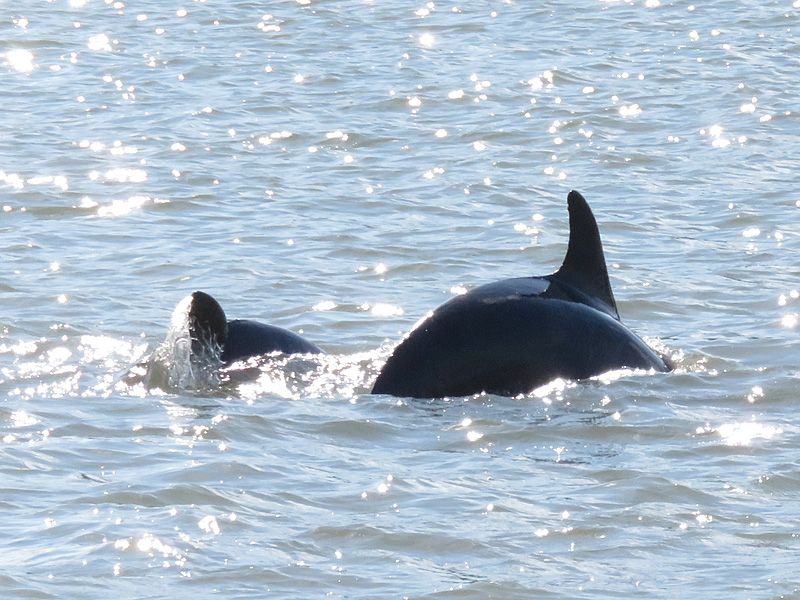
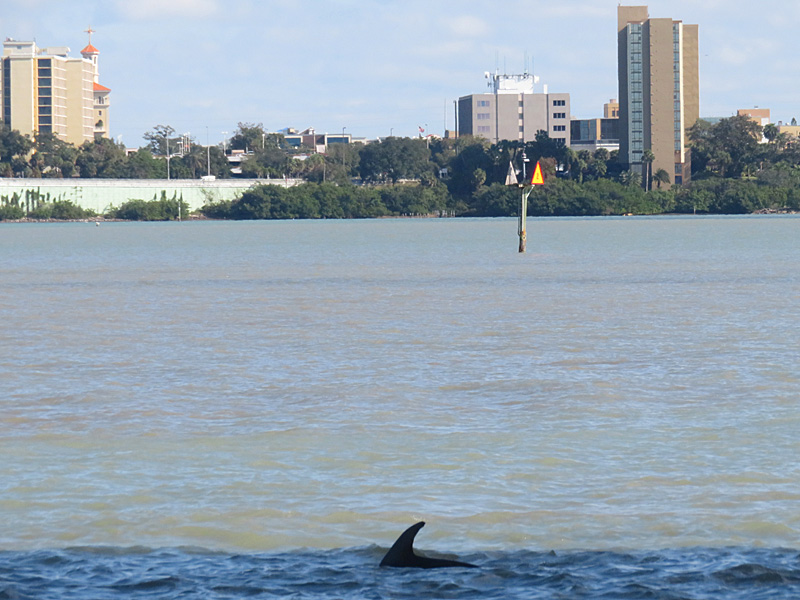
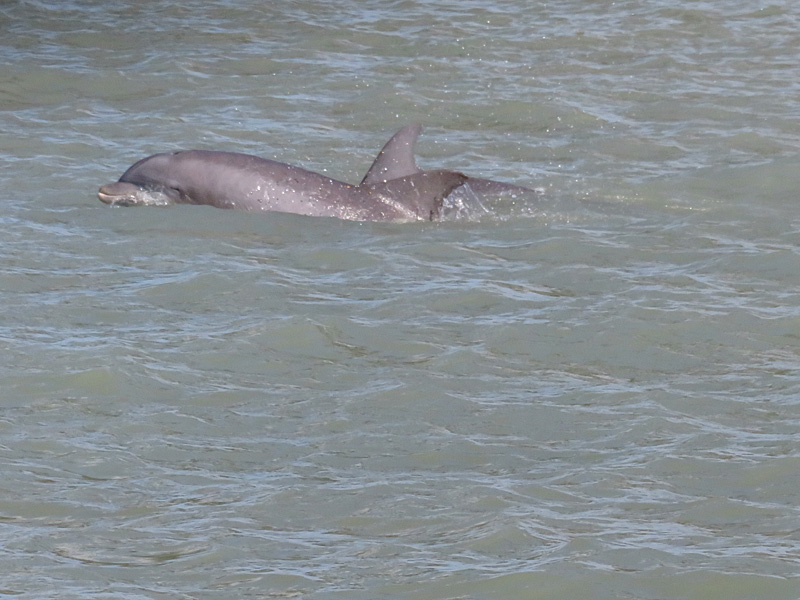
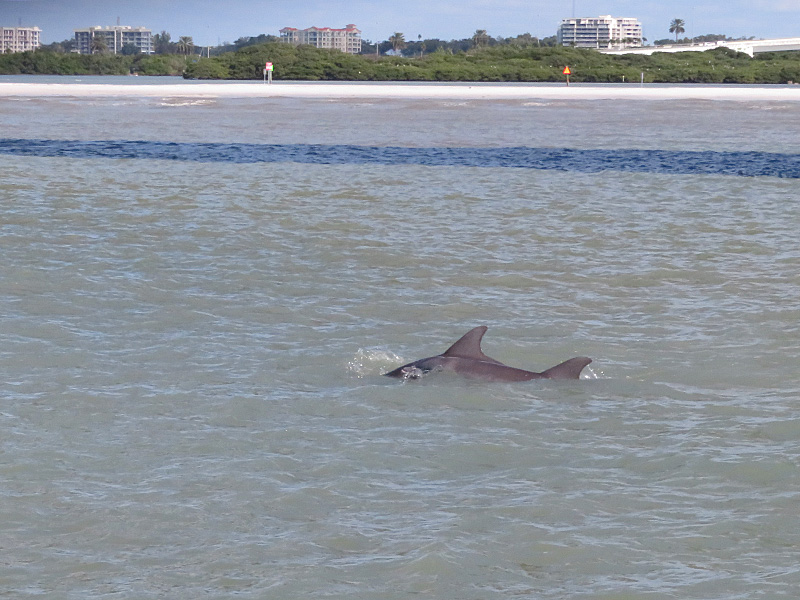
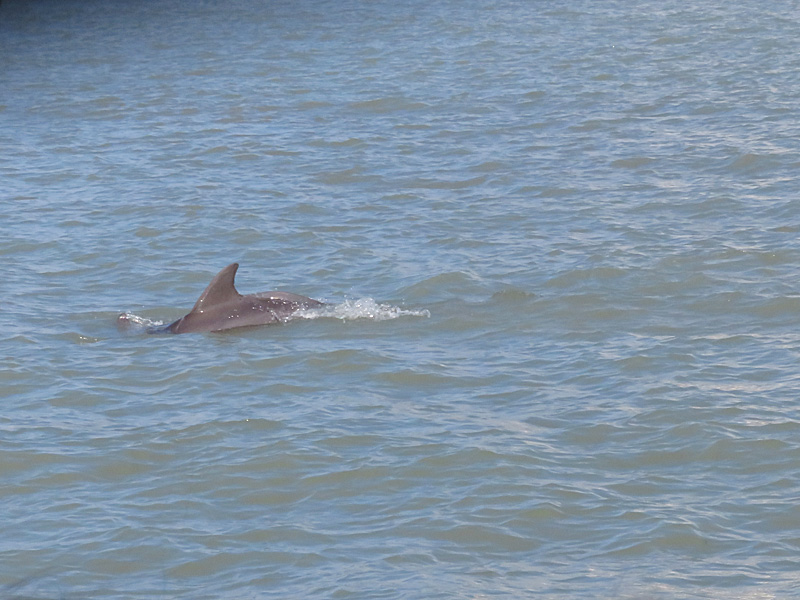
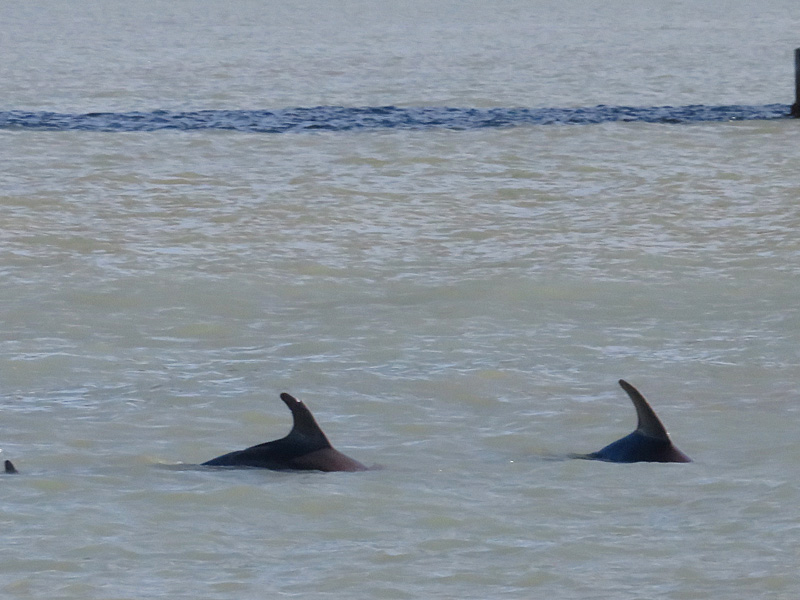
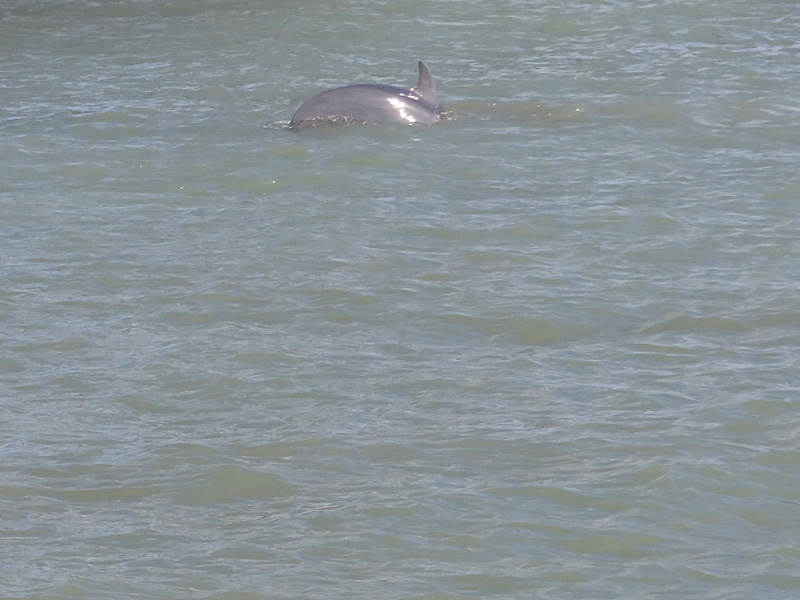
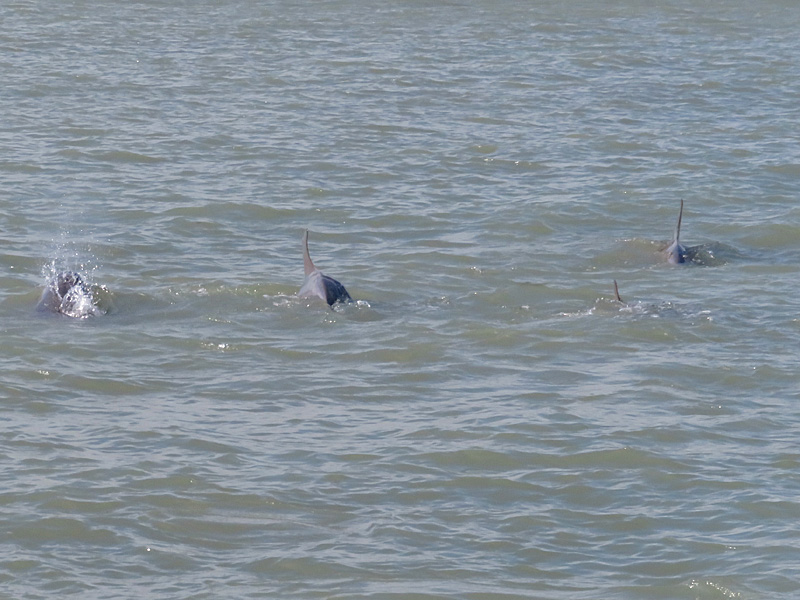
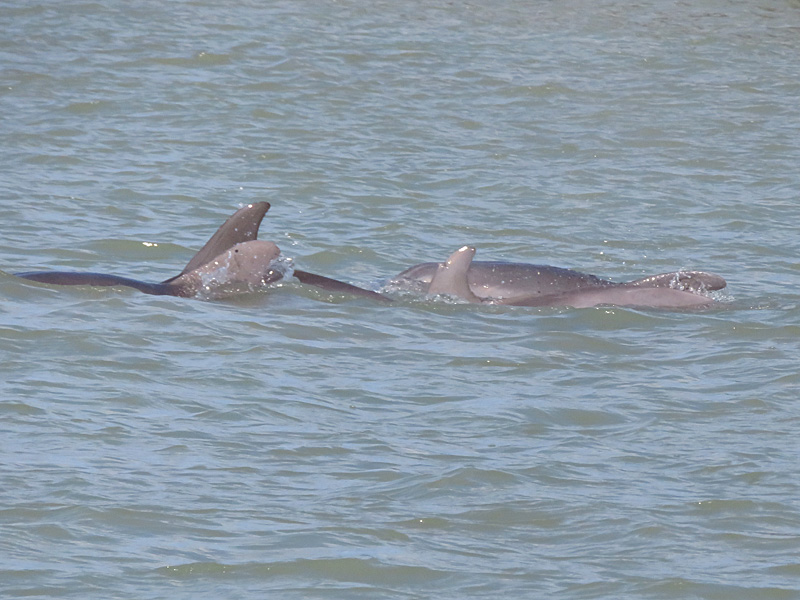
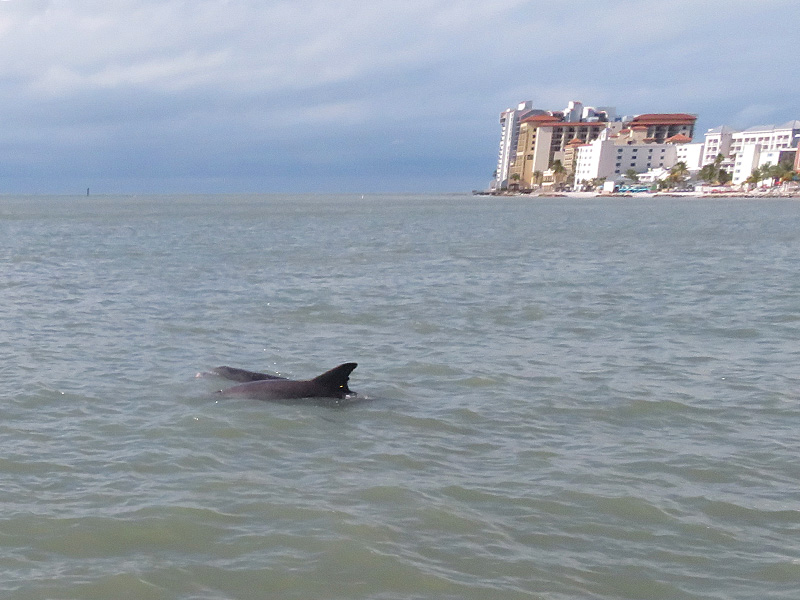
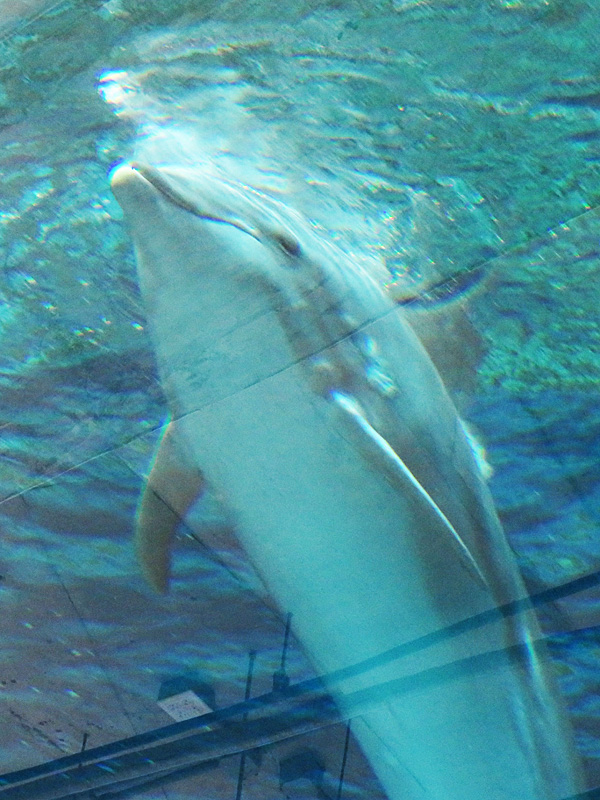
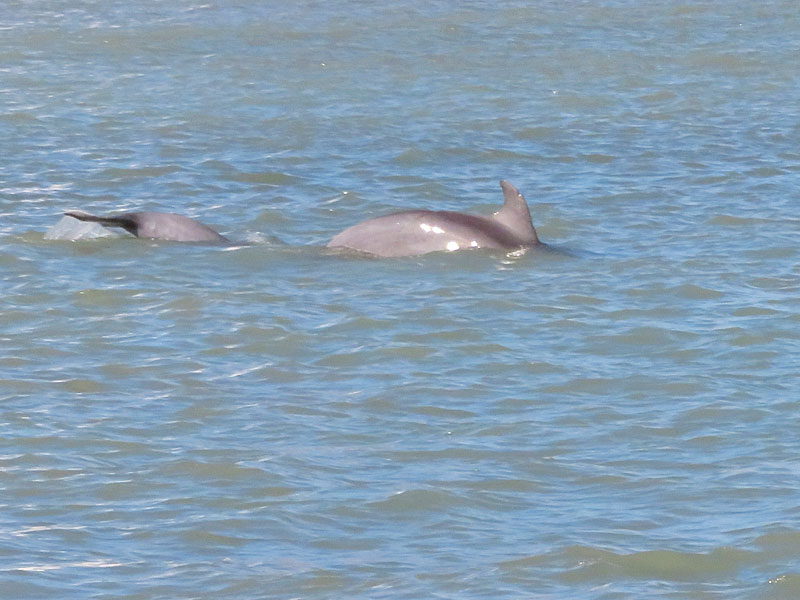
A mother dolphin (right) and youngster in Clearwater Bay. – photo by Joe AlexanderYou know those videos you see where the dolphins come up to your boat looking like playful puppies? This wasn’t anything like that.
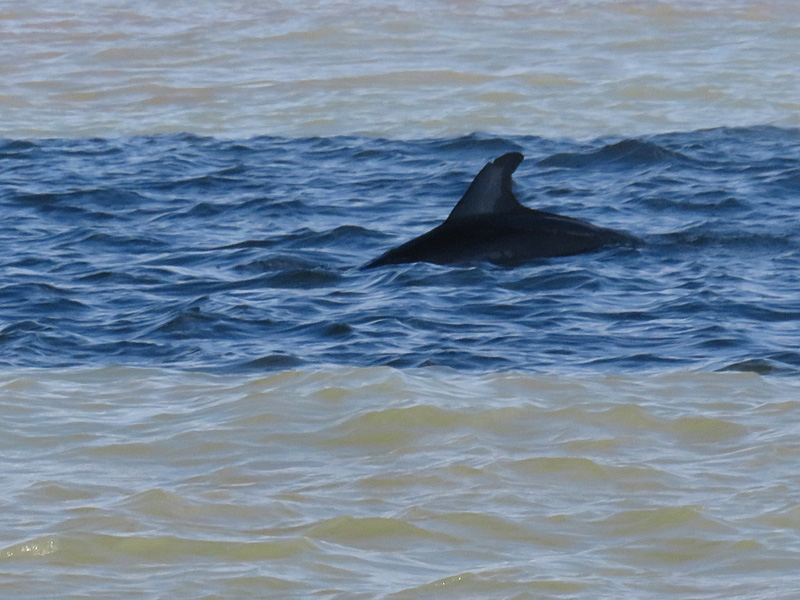
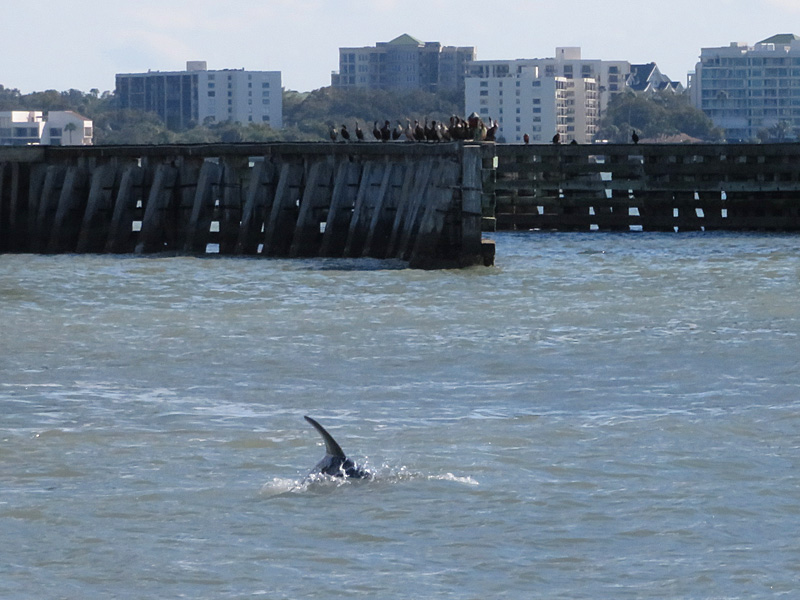
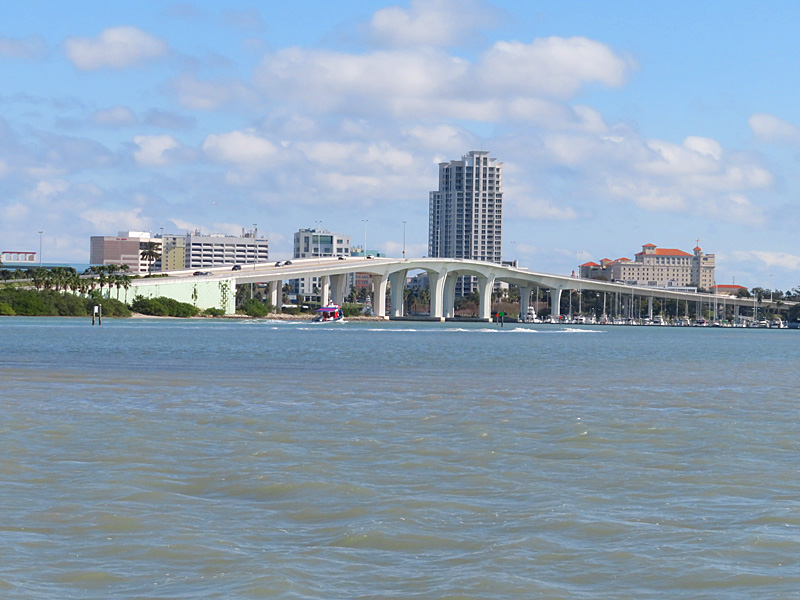
We saw several dolphins in Clearwater Bay, Florida, but they stayed at a distance. We weren’t as close as it might look in some of these photos. Fortunately, I have a camera with a pretty good zoom lens.
It’s always better to treat wildlife with respect and give them their space.
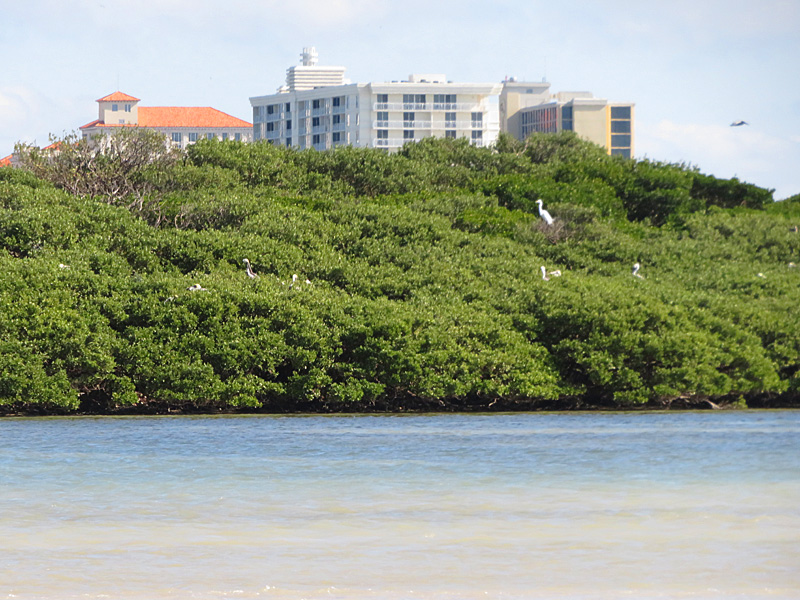
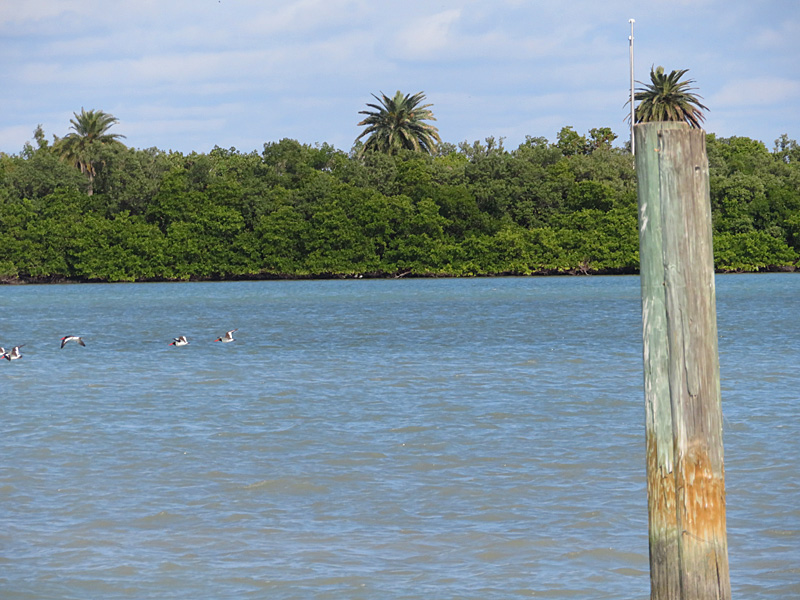
This small island in Clearwater Bay belongs to the birds. No people allowed. – photo by Joe AlexanderEnjoying the sunshine and gulf coast breeze in Clearwater Bay between Clearwater and Clearwater Beach, Florida.
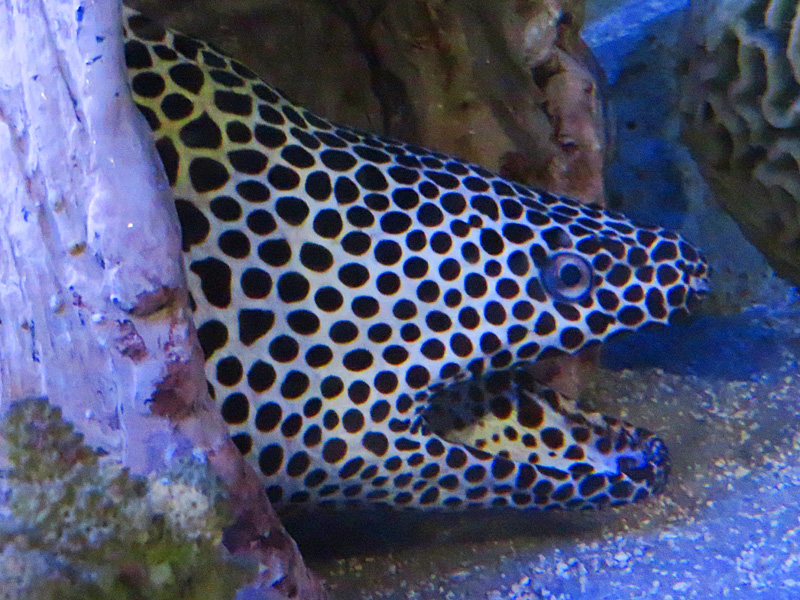
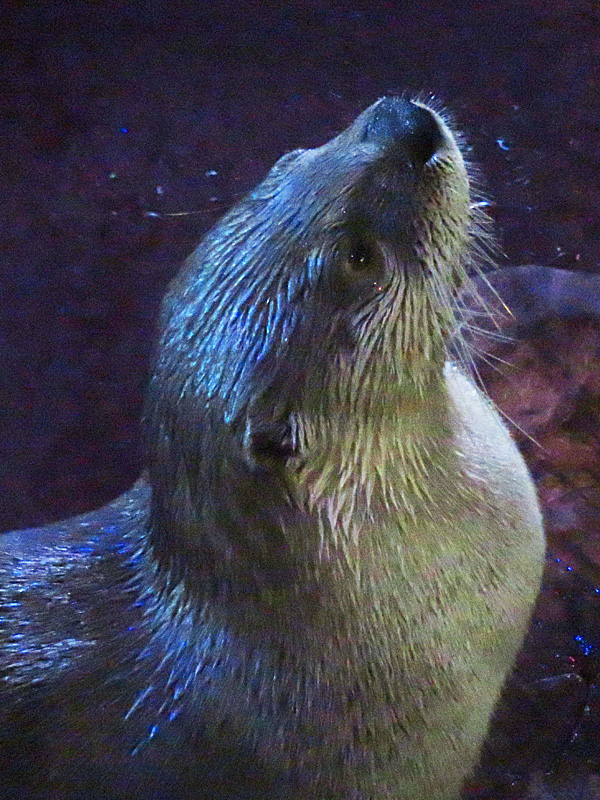
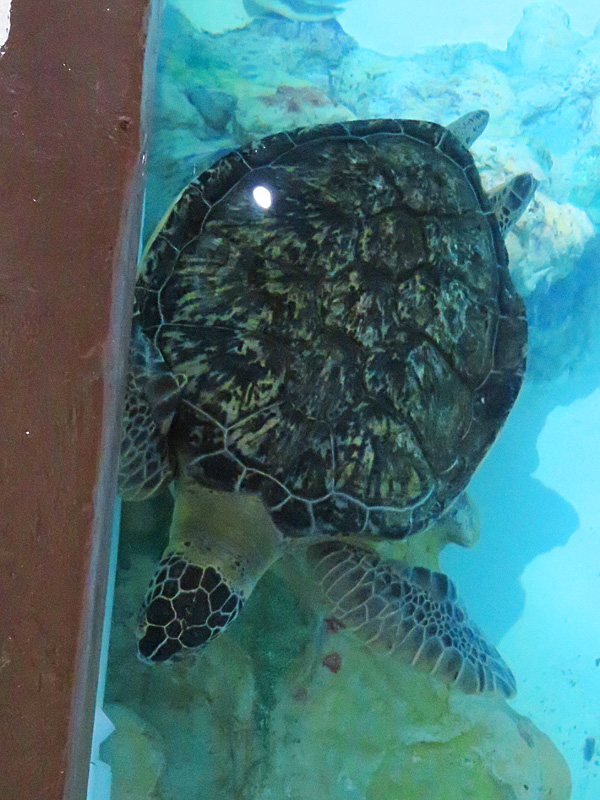
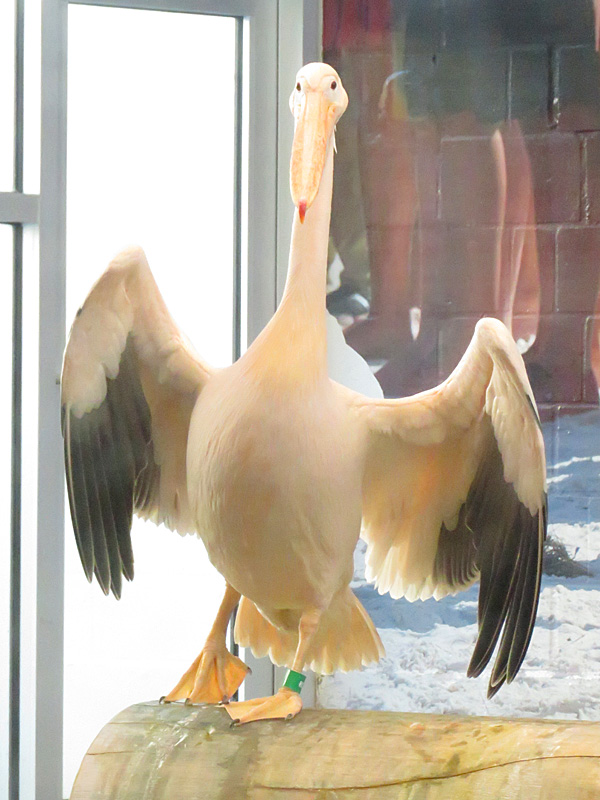
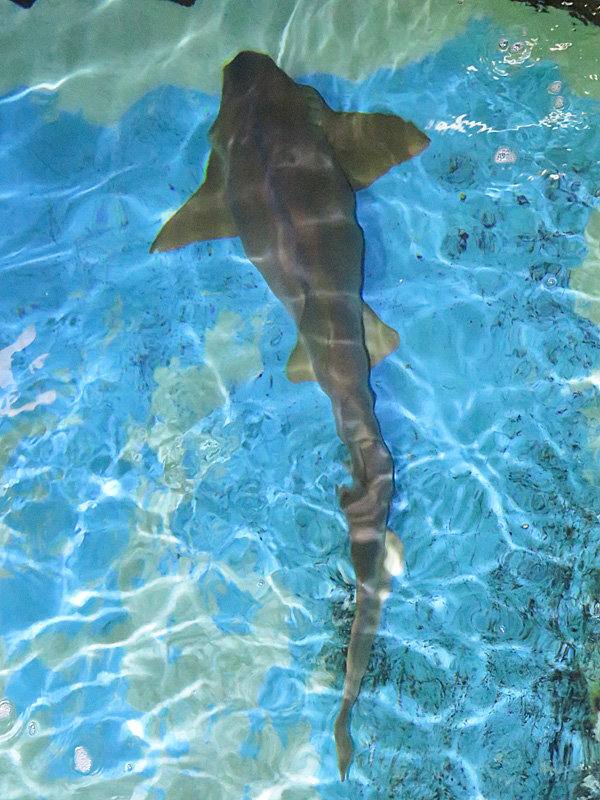
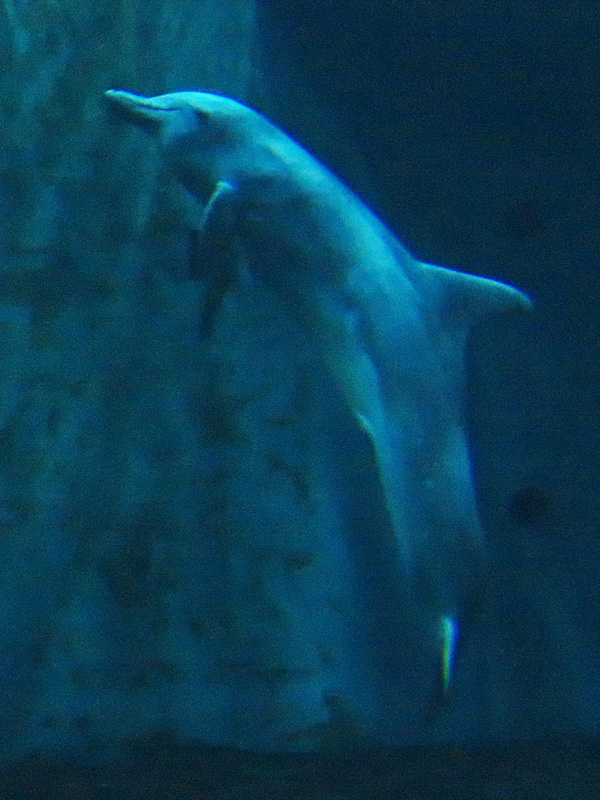
One of the residents at Clearwater Marine Aquarium and Rescue in Florida. – photo by Joe AlexanderThis facility at Clearwater Beach, Florida is home to rescued dolphins, turtles, otters, pelicans, sharks, stingrays and other sea animals.
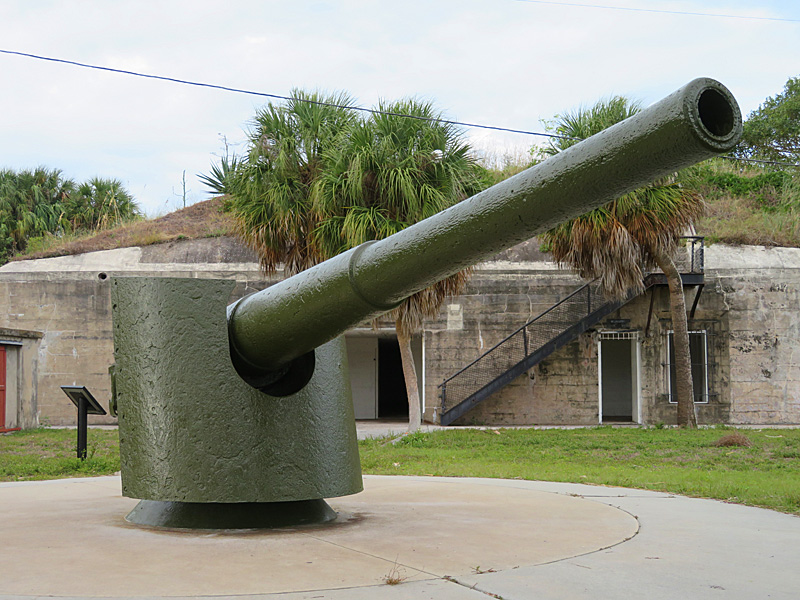
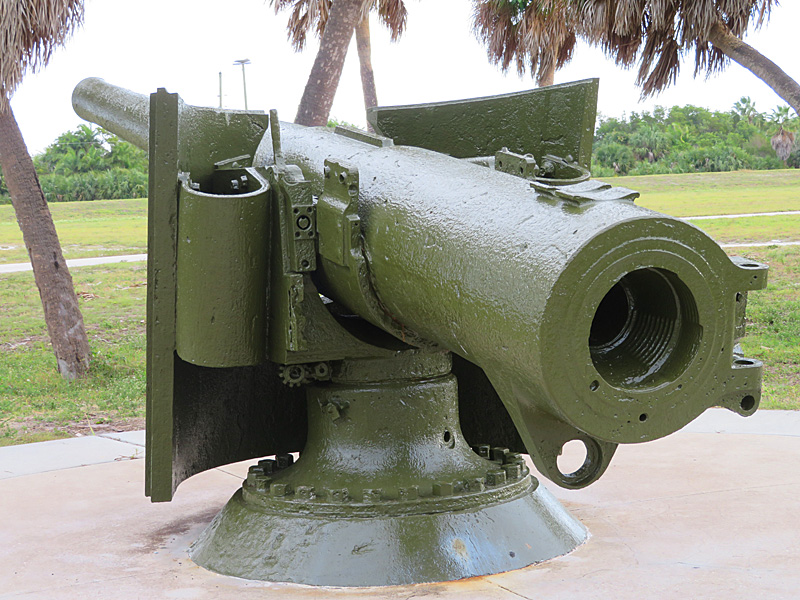
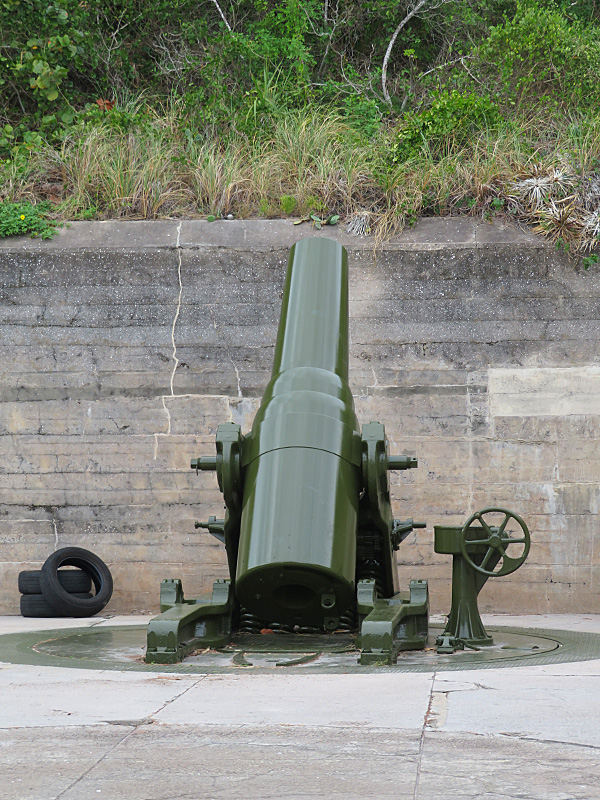
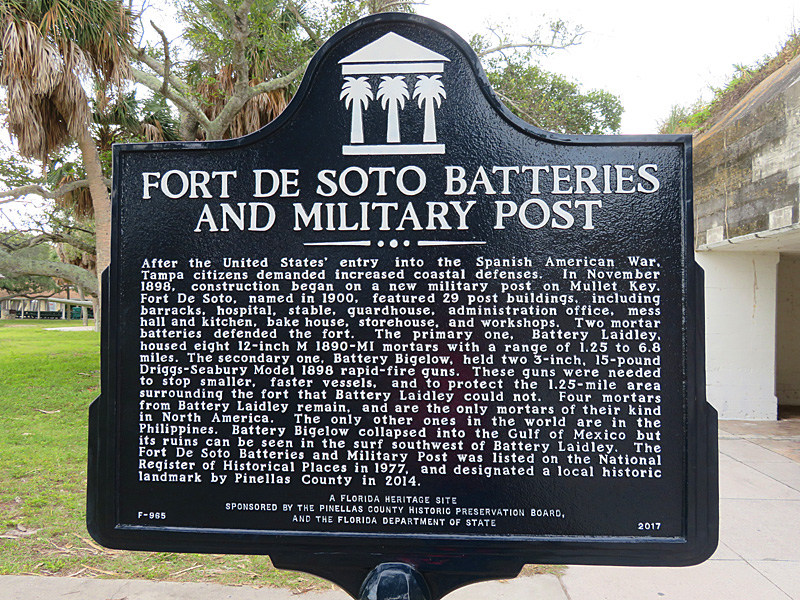
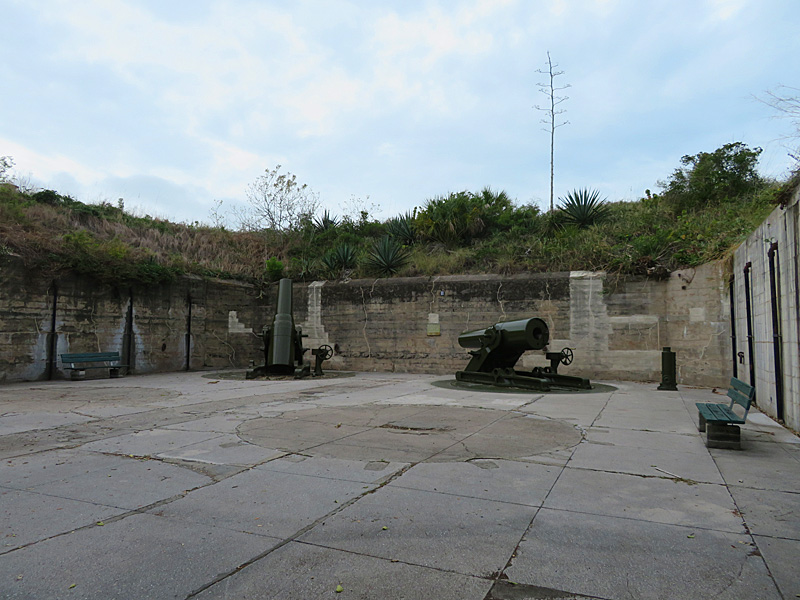
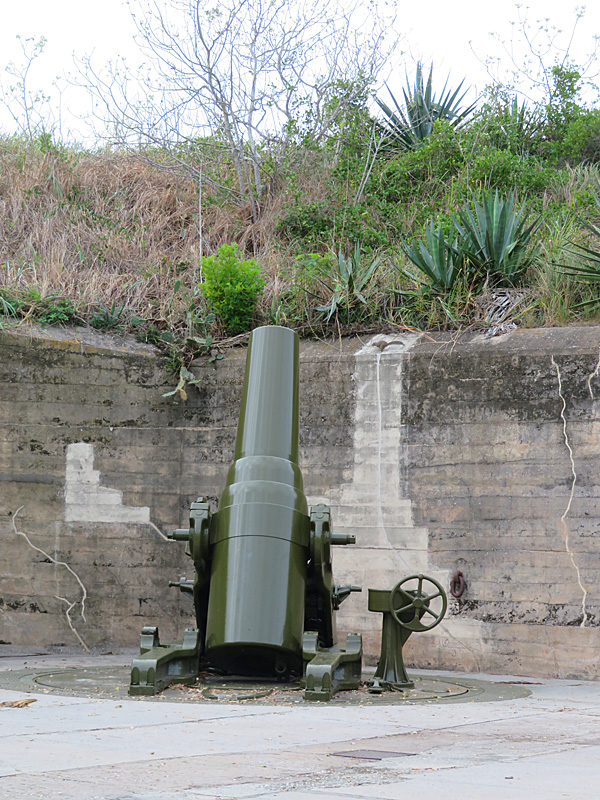
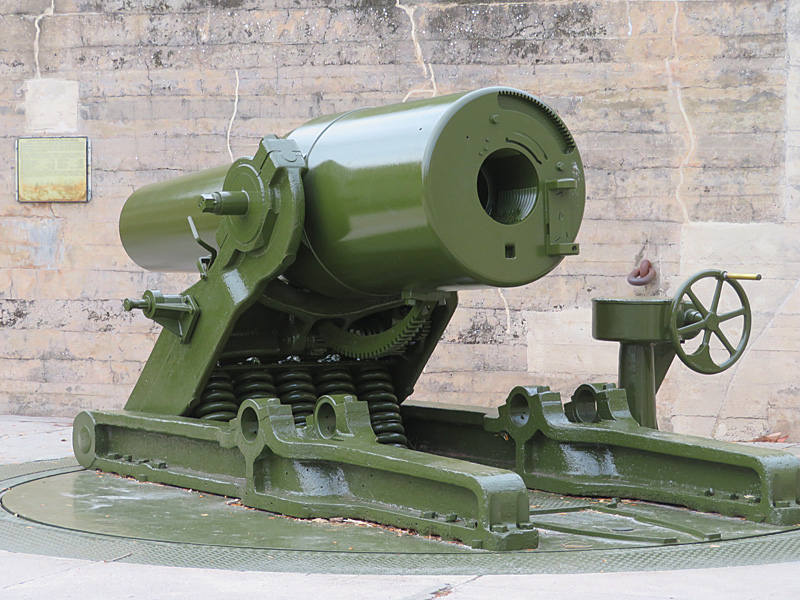
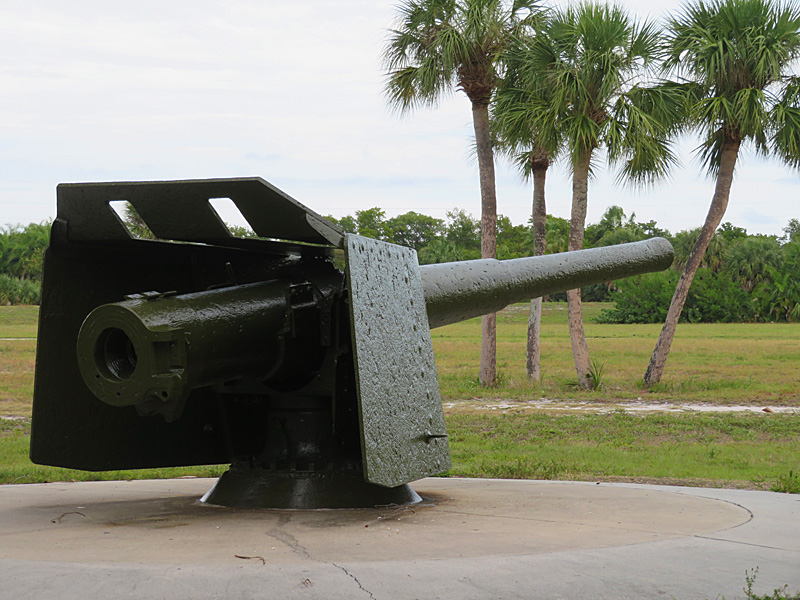
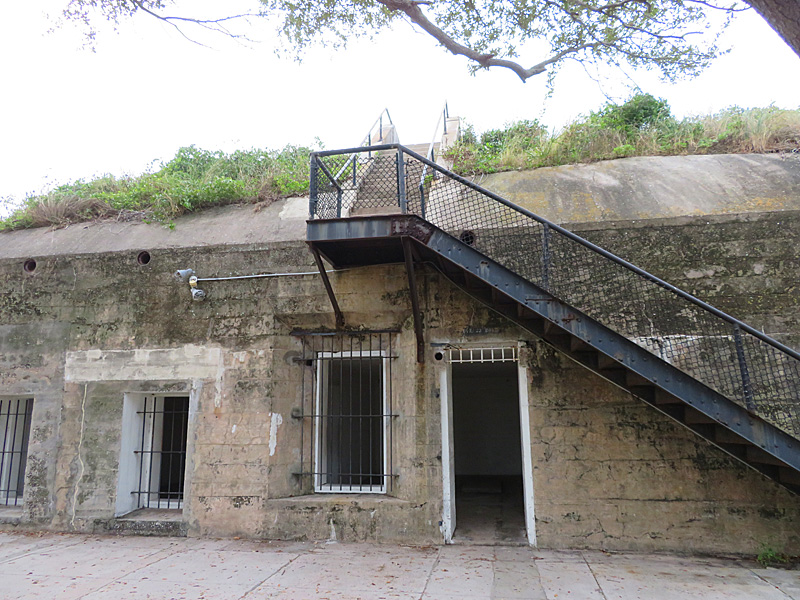
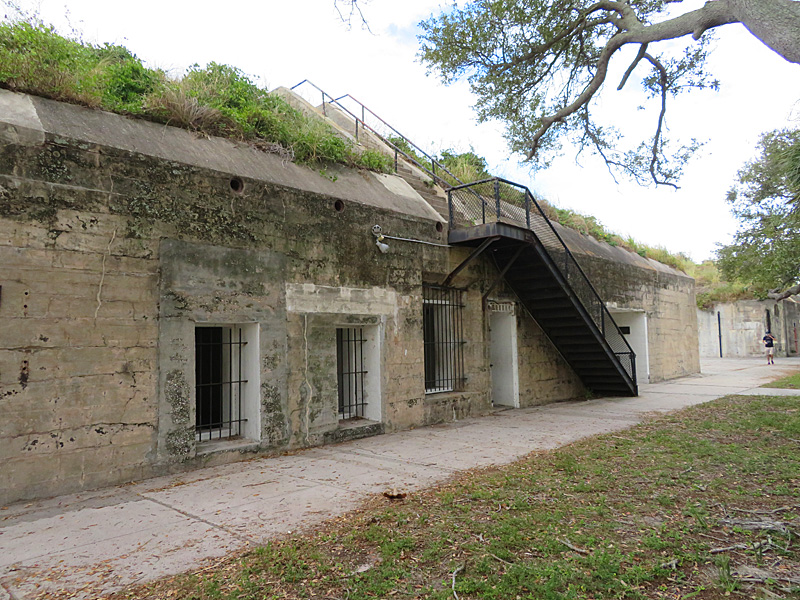
Fort De Soto on Florida’s Gulf coach near St. Petersburg. – photo by Joe AlexanderFort De Soto is in Pinellas County in the Tampa Bay area on the Florida coast of the Gulf of Mexico.
Fort De Soto was built between 1898 and 1900 on Mullett Key – one of a string of islands along the coast.
Fort De Soto Park beach on the Gulf Coast of Florida. – photo by Joe AlexanderFort De Soto Park is on part of a chain of islands in the Tampa Bay area on Florida’s coast of the Gulf of Mexico.
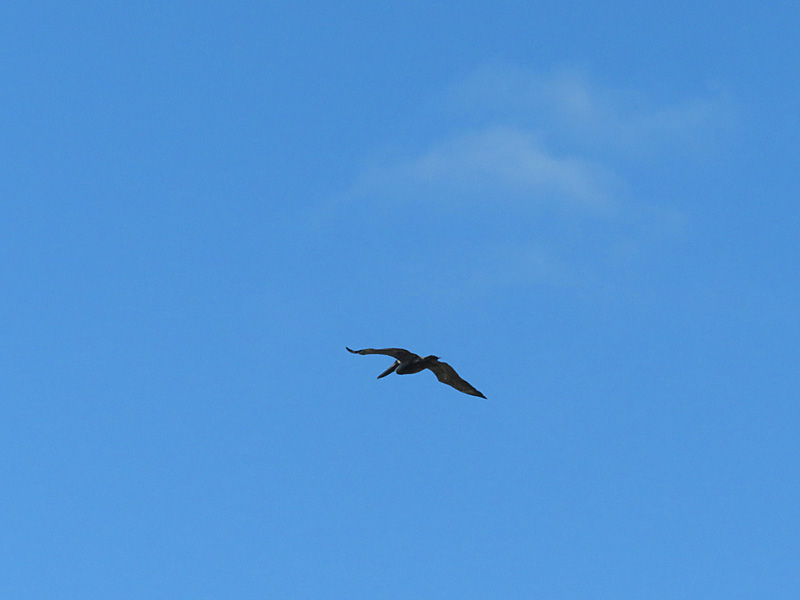
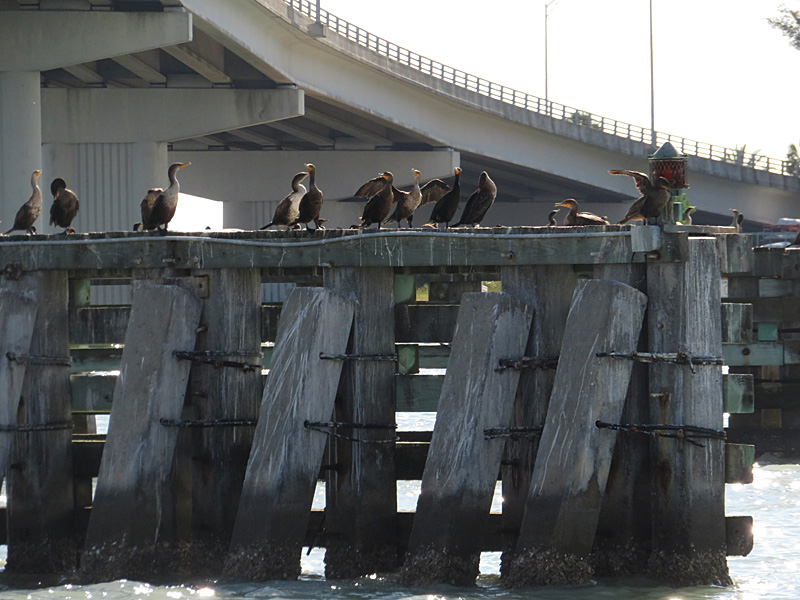
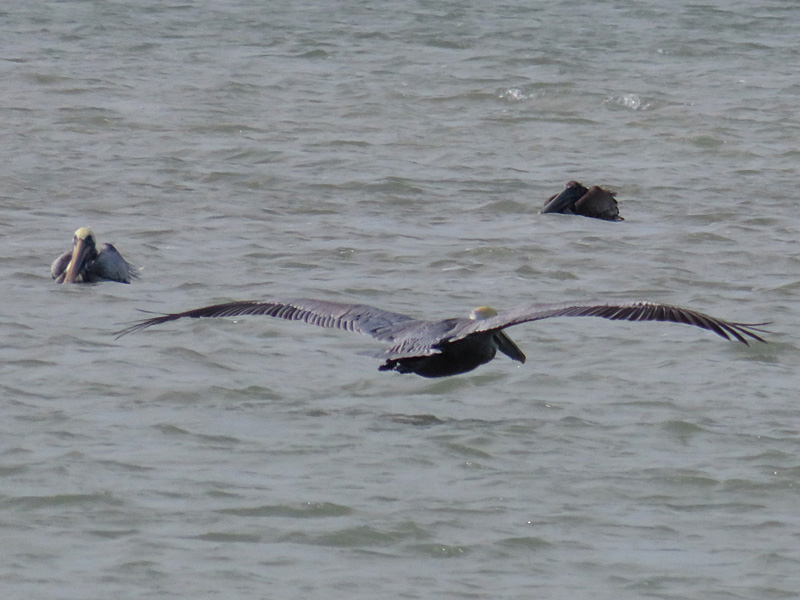
We found the beach littered with shells and even a few starfish. Like everywhere else near water in this part of Florida, we saw plenty of birds.
We were even lucky enough to run into some kite surfers at the far end of the park with the Sunshine Skyway Bridge in the background.
Watching the sunset at Pass-A-Grille on St. Pete Beach. – photo by Joe AlexanderWe spent a breezy December evening watching the sun go down over the Gulf of Mexico at Pass-A-Grille on St. Pete Beach on the east coast of Florida.
It was mostly cloudy but the sun got through just enough to make the drive worthwhile.
Our visit included dinner on the balcony of the Brass Monkey Bar and Grill.
Mural in The Warehouse District in downtown St. Petersburg, Florida. – photo by Joe AlexanderThe Warehouse District of downtown St. Petersburg, Florida, is better known for its art galleries than its street art. There are still lots of pretty cool murals in the area if you know where to look.
Iconic cat mural in The Edge District in downtown St. Petersburg, Florida. – photo by Joe AlexanderIf you’re not sure if you’re really in The Edge District in downtown St. Petersburg, Florida, the cat mural on the Edge Animal Hospital is an obvious clue.